Source High Impact Resistance TPE for Seals, Bumpers, and Clips
Find 30 high impact resistance tpe options for engineering applications. Compare injection molding grades, TPE and TPEE materials, and certifications like ISO and SGS to select the right resin for seals, fastenings, and cable clips; compare the available evidence and request quotations based on your requirements.
Key considerations
Products List




Comprehensive Sourcing Guide
High Impact Resistance TPE Sourcing Guide
Procuring high impact resistance TPE requires distinguishing between general thermoplastic elastomers and specialized formulations engineered for mechanical durability. The observed market data indicates that suppliers offer materials in granule or pellet forms, often derived from TPE or TPEE bases, which are critical for applications demanding flexibility alongside structural integrity. Buyers must verify that the specific resin grade aligns with the intended stress profile, as general-purpose grades may not suffice for high-impact environments without modification.
Commercial listings reveal a wide variance in minimum order quantities, ranging from small sample batches of 5kg to industrial volumes of 30,000 units. This disparity necessitates a clear definition of procurement scale before engaging with vendors. While some suppliers provide injection-grade materials suitable for rapid prototyping, others focus on bulk extrusion or molding applications. Understanding these volume thresholds is essential for aligning inventory costs with production schedules and avoiding unnecessary capital tie-up in raw materials.
Product Scope and Observed Listing Signals
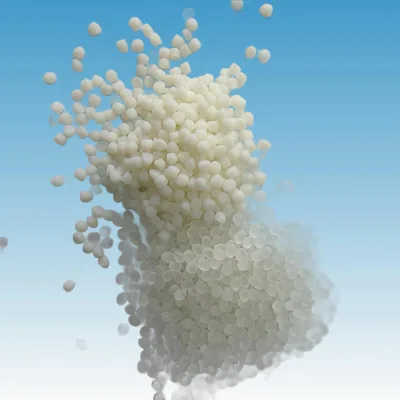
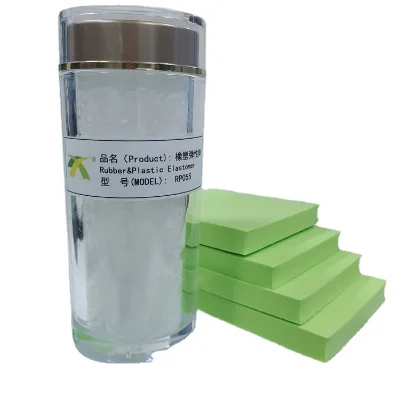
The product scope for high impact resistance TPE encompasses various forms including granules, pellets, and chips, typically available in white or black colors. Listings frequently highlight specific forming methods such as injection molding and extrusion, which dictate the processing equipment required by the buyer. The material is often categorized under engineering plastics or specialty plastics, suggesting it is designed for demanding applications like seals, fastenings, grommets, cable clips, and bumpers where durability is paramount.
Observations of product attributes indicate that customization is a standard offering, allowing buyers to tailor properties such as filler content, including glass fiber or carbon fiber, and UV stabilizers. The physical appearance is consistently described as granules or pellets, facilitating easy handling in automated feeding systems. However, the specific impact resistance values are not universally standardized in the provided data, requiring buyers to request specific test reports to confirm performance claims for their unique operational conditions.
Technical Specifications to Verify
Technical verification must begin with the plastic forming method, as the material is explicitly listed for both injection molding and extrusion processes. Buyers should confirm that the melt flow index, such as the observed value of 9.48 for specific grades, matches the flow requirements of their molding machinery. The distinction between thermosetting and thermoplastic behavior after heating is critical; while some listings suggest thermosetting properties, the core material is generally a thermoplastic elastomer, meaning it should melt and re-solidify, a property essential for recycling and processing efficiency.
Material composition is another vital specification, with listings showing variations between TPE, TPEE, and Polypropylene blends. The grade of the material, whether virgin or modified, directly influences the final product's mechanical strength and chemical resistance. Buyers must verify the specific model numbers, such as K8009 or generic TPEE designations, to ensure the resin possesses the necessary impact resistance. Additionally, the packing specifications, often 25kg per bag, should be confirmed to ensure compatibility with existing storage and handling infrastructure.
Compliance and Safety Documentation
Compliance documentation is a non-negotiable aspect of sourcing high-performance elastomers, with suppliers frequently listing certifications such as ISO, SGS, REACH, and COA. These documents serve as proof that the material meets international safety and environmental standards, which is particularly important for applications in automotive, consumer electronics, and medical devices. Buyers should explicitly request the Certificate of Analysis (COA) and Material Safety Data Sheet (MSDS) to verify the chemical composition and ensure there are no restricted substances present in the formulation.
The presence of certifications like GRs and Reach indicates a commitment to sustainability and regulatory adherence, which can mitigate supply chain risks. However, the specific standards referenced in listings, such as 380130745(mm), often refer to packaging dimensions rather than material performance standards. It is crucial for buyers to distinguish between packaging compliance and material safety compliance. Relying solely on the presence of a certification label without reviewing the actual test data can lead to procurement of materials that do not meet the specific regulatory requirements of the target market.
Cost Drivers and Commercial Terms
Cost drivers for high impact resistance TPE are heavily influenced by the material grade, with virgin resins commanding higher prices than modified or recycled blends. The inclusion of specialized fillers like glass fiber or carbon fiber, as well as UV stabilizers, adds significant value but also increases the unit cost. Buyers must evaluate whether the performance benefits of these additives justify the premium, especially when the application does not require extreme environmental resistance or enhanced mechanical strength.
Commercial terms vary significantly, with minimum order quantities ranging from 25kg to 30,000 units depending on the supplier and product type. Lead times are typically short, with sample delivery taking 3-5 days and bulk production ranging from 7 to 15 days. Transportation options include sea, air, and truck, each impacting the final landed cost. Buyers should negotiate based on total delivered cost rather than just the unit price, considering that smaller MOQs may incur higher per-unit costs and expedited shipping fees.
Supplier Qualification and Quality Control
Supplier qualification should prioritize manufacturers with a proven track record, such as those with over 12 years of history and multiple manufacturing sites in regions like China, Germany, Malaysia, and the United States. The geographic diversity of production sites can offer supply chain resilience, but buyers must verify that the specific facility producing their order adheres to consistent quality control protocols. A supplier's ability to provide samples quickly, often within 3-5 days, is a strong indicator of operational efficiency and responsiveness.
Quality control extends beyond the initial sample to include batch-to-batch consistency, which is critical for maintaining product performance in high-volume production. Buyers should request detailed quality assurance data, including test results for impact resistance and thermal properties, to ensure the material meets specifications. The availability of certifications like ISO and SGS provides a baseline for quality, but direct engagement with the supplier's quality team to discuss specific testing methodologies is essential for high-stakes applications.
Long-Term Procurement Checks
Long-term procurement success depends on establishing a robust relationship with suppliers who can adapt to changing market demands and technical requirements. Buyers should regularly review the supplier's ability to maintain consistent quality over time, especially when scaling up production volumes. The availability of customized formulations, such as specific filler ratios or color variations, ensures that the material can evolve alongside product design changes without necessitating a complete supplier switch.
Continuous monitoring of supply chain stability is also vital, given the global nature of raw material sourcing. Buyers should assess the supplier's logistics capabilities, including their experience with international shipping and their ability to manage lead times during peak demand periods. Regular audits of the supplier's manufacturing sites and quality control processes will help identify potential risks early. By maintaining open communication and setting clear performance expectations, buyers can secure a reliable supply of high impact resistance TPE that supports their long-term business goals.
FAQs
What is high impact resistance TPE used for in typical applications?
High impact resistance TPE is typically used for seals, fastenings, grommets, cable clips, and bumpers, where parts must absorb shocks and repeated flexing without cracking. It is supplied as granules or pellets for injection molding and extrusion. Buyers should confirm the exact hardness and grade with the supplier, since formulations can be customized for specific performance requirements.
Which processing methods work with high impact resistance TPE granules?
Injection molding and extrusion are the listed processing methods for high impact resistance TPE granules. Injection grade material is suitable for molded parts like bumpers, grommets, and clips, while extrusion suits profiles and seals. Always confirm the recommended melt temperature, mold design, and drying conditions with the material supplier before starting production trials.
Can high impact resistance TPE be customized for color and fillers?
Yes, customization is available. The material is offered in white and black, and fillers or additives such as glass fiber, carbon fiber, or UV stabilizer can be added as required. Provide your target hardness, color sample, and application details to the supplier so they can compound a grade matched to your impact resistance and processing needs.
How is high impact resistance TPE packaged and shipped?
Standard packaging is 25kg per bag, commonly a PP bag, with about 17 tons per 20ft container; some listings use 25kg bags with 40 bags per pallet. Transportation can be by sea, air, or truck. Confirm pallet dimensions, bag labeling, and loading quantities with the supplier, since packing details vary between product listings.
What is the minimum order quantity for high impact resistance TPE granules?
Listed minimum order quantities start at small trial levels, with some suppliers accepting 5kg and others 25kg, so samples and pilot runs are practical. Larger volume requirements up to full container loads are supported by the 25kg bag packing format. Check the specific MOQ per grade with each supplier, because it can differ by customization level.
How long does delivery take for high impact resistance TPE orders?
Listed delivery time is 7 to 15 days after order confirmation, and samples can typically be delivered in 3 to 5 days. Actual lead times depend on order size, customization requirements, and the shipping method chosen, whether sea, air, or truck. Request a confirmed production and transit schedule from the supplier before committing to a delivery date.
Which certifications should I request when sourcing high impact resistance TPE?
Suppliers list certifications including ISO, GRS, SGS, REACH, COA, and MSDS, so ask for documentation matching your target market and application. REACH and MSDS matter for chemical compliance, while COA verifies batch quality. Request copies before ordering and confirm that certificates apply to the specific grade and production batch you are purchasing.
Can I get samples of high impact resistance TPE before ordering?
Yes, small kilogram samples are available, with sample delivery in about 3 to 5 days. Testing samples first lets you validate impact performance, hardness, color, and processability on your own equipment. Discuss sample quantity, any sample cost, and whether the sample grade matches the production material before placing your main order.